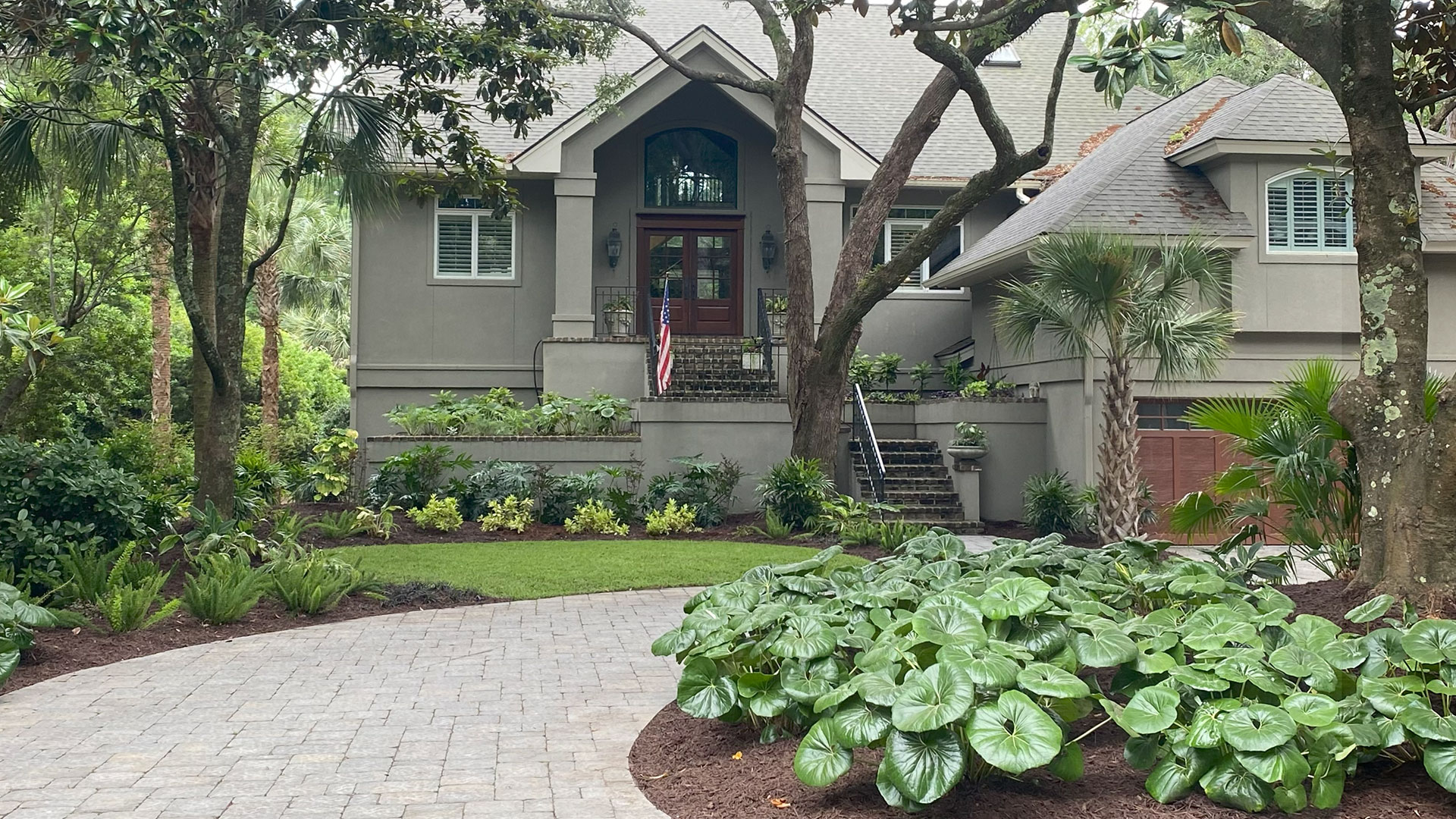
When to Start Mulching Your Landscape Beds in South Carolina
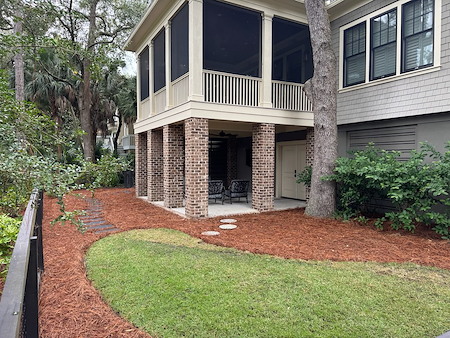
In the South Carolina Lowcountry, timing your mulch can make the difference between tidy, thriving beds and constant rework after storms. Start at the right moment and you help your soil hold moisture, suppress weeds, and protect roots before heat and summer rain arrive. If you prefer a professional touch, our landscape enhancements include expert mulch installation that is matched to local weather and your planting plan.
Charleston’s seasons have their own rhythm. Spring wakes up early, summer heat sticks around, and fall brings milder days with the occasional coastal blow. That rhythm guides when mulch should go down so it lasts, looks clean, and supports healthy growth all year.
Best Time To Start Mulching in South Carolina’s Lowcountry
Plan your first main application in late winter to early spring, once beds are cleaned and pruned and soil is no longer cold and soggy. This puts a protective layer in place before rising temperatures and fast-growing weeds take off. It also frames your landscape ahead of outdoor season on porches and patios.
Watch the forecast. Avoid mulching right before a long stretch of heavy rain, which can splash soil, move lighter material, and leave beds streaked. A drier window helps new mulch settle cleanly so it keeps its color and shape.
Many Charleston homeowners add a light refresh in fall. That quick touch brings back crisp edges, hides faded spots, and protects roots as winter swings between cool snaps and warm spells. For coastal properties on Kiawah Island, Seabrook Island, and Folly Beach, a fall top-off also tidies beds after summer storms and tourist season wear.
How Timing Changes Across Charleston Neighborhoods
Microclimates matter. Downtown on the peninsula and in Mount Pleasant, streetscapes warm faster than shaded areas of James Island and West Ashley. Barrier islands like Kiawah and Seabrook see steady ocean breezes that dry beds quicker but can move lighter textures. On Johns Island and Daniel Island, larger lots with mixed sun and shade may benefit from a slightly earlier spring schedule to get ahead of weeds in open, sunny beds.
Talk with your landscape team about sun exposure, wind, and drainage on each part of your property. In spots that stay damp after rain, hold mulch until the soil surface dries. In raised or windy areas, pick a heavier texture that locks in place and aim for calmer weather during installation.
Spring Mulching vs. Fall Touch-Ups
Both seasons have a job to do. Here’s how they work together for Charleston-area homes:
- Spring: Sets the stage for growth, cuts early weed pressure, and gives beds a clean edge for the coming heat.
- Fall: Restores color, prepares roots for temperature swings, and tidies beds after summer storms and foot traffic.
Unsure which window suits your property this year? Browse our latest seasonal landscaping tips and then coordinate a schedule that lines up with your neighborhood’s pattern.
Choose the Right Mulch for Coastal Beds
Mulch choice shapes how well beds hold up to wind, salt spray, and sudden downpours. Shredded hardwood locks together nicely for many front-yard beds and foundation plantings. Pine bark can bring a classic Lowcountry look with a slightly softer texture. Pine straw delivers a warm, natural finish around azaleas and camellias and is popular in shaded areas beneath live oaks.
Each option behaves differently on the coast. In exposed sites near marsh or beach access, a heavier texture often stays put better on slopes and along driveways. In protected courtyards or under tree canopies, pine straw can be a handsome, practical choice that refreshes quickly.
Never pile mulch against tree trunks or shrub stems. That traps moisture and invites pest and disease issues. Keep a visible gap around bark and branch collars so plants can breathe and stay healthy.
Professional Scheduling Tips for a Smooth Project
Project timing is as important as material choice. If you are replanting beds or adding edging, coordinate mulch right after planting is complete so everything looks seamless. If you are hosting guests in Old Village, Riverland Terrace, or along the Battery, give yourself a brief buffer between install day and your event so the finish looks settled and clean.
Plan around other property care. Irrigation checks, pruning, and seasonal color should come first, with mulch following to lock in the work. If you are refreshing hardscape joints or installing lighting, complete that work before the final mulch pass so your beds don’t get disturbed.
For full-property updates, consider our creative maintenance program to keep mulch crisp year-round with smart, timely touch-ups. If you need a single round tied to a spring spruce-up, our mulch installation is scheduled to fit local weather windows for a lasting result.
If you want help mapping the ideal window for your block and exposure, reach us for landscape mulching in Charleston, SC guidance and scheduling that fits your calendar.
What Mulch Looks Best With Charleston Architecture
In historic districts and coastal neighborhoods, color choice affects curb appeal more than many people expect. Natural brown tones tend to complement brick, tabby, and traditional siding, while deeper browns frame bright southern blooms without stealing the show. Lighter bark can lift shaded entries and soften the transition from lawn to beds in James Island and West Ashley yards.
In modern coastal builds with crisp lines, a fine-textured hardwood creates a neat, polished frame against stucco and contemporary hardscapes. The right match highlights your home rather than competing with it.
Weather Watch: Rains, Heat, And Coastal Winds
Summer storms can push lighter mulch down slopes or toward drains. Where you see frequent washouts, discuss edging upgrades, slight grade adjustments, or a denser mulch texture that interlocks better. In high-sun courtyards, mulch helps keep roots cool and reduces surface cracking of coastal sandy soils.
On windy sites near marsh or open water, schedule on calmer days and avoid loose, fluffy textures that move in gusts. Tucked-in neighborhoods with fences or hedges have more flexibility and can focus on color and texture to match plant palettes.
Signs Your Beds Are Ready for Fresh Mulch
- Color has faded to a gray or washed look that no longer frames your plants.
- Weeds appear more often, especially after summer rain or warm winter spells.
- You see bare patches where soil is exposed near edges, walkways, or downspouts.
- Foot traffic from guests or deliveries has scuffed material out of high-use areas.
Refresh mulch lightly in fall if your beds show bare spots, then schedule the main application in spring for the most durable season-long performance.
Mulching for Plant Health in Coastal Soils
Charleston-area soils often drain quickly and can struggle to hold organic matter. The right mulch helps support soil life, keeps moisture where roots can reach it, and shields tender roots from sudden heat spikes. Around roses, hydrangeas, gardenias, and seasonal color beds, mulch keeps irrigation efficient and plants steady between watering cycles.
Along driveways and paths, a neat mulch edge defines the line between beds and hardscape. That clear frame makes plant groupings look intentional and reduces messy splashback after storms. In shady oak canopies, mulch also softens the view where turf struggles, creating a clean, finished look that matches the Lowcountry style.
Schedule before peak summer heat so plants head into the season supported, not stressed. That timing keeps your investment working longer and looking better.
A Simple Plan You Can Count On
Here’s a straightforward way to protect your landscape without overthinking the calendar:
- Target early spring for the main application, after cleanup and pruning.
- Use a light fall touch-up where color has faded or traffic has thinned coverage.
- Match mulch type and color to exposure, wind, and your home’s architecture.
With that plan, your beds stay neat from the peninsula to Park Circle and from Riverland Terrace to Wild Dunes, even when weather throws a curveball.
Ready To Refresh Your Beds? We Can Help
If you want professional results that last through Charleston’s heat and storms, partner with Stone Post Landscapes. Our team times installation to your microclimate and coordinates with plant care, irrigation, and edging for a clean, long-lasting finish. Explore our landscape enhancements to schedule mulch with seasonal color, lighting tweaks, or fine gardening for the complete look.
Call us at 843-647-6068 to book a site visit and plan the right timing for your property. We will walk your beds, note exposure and drainage, and line up a weather-smart window so your mulch looks fresh and performs as it should.