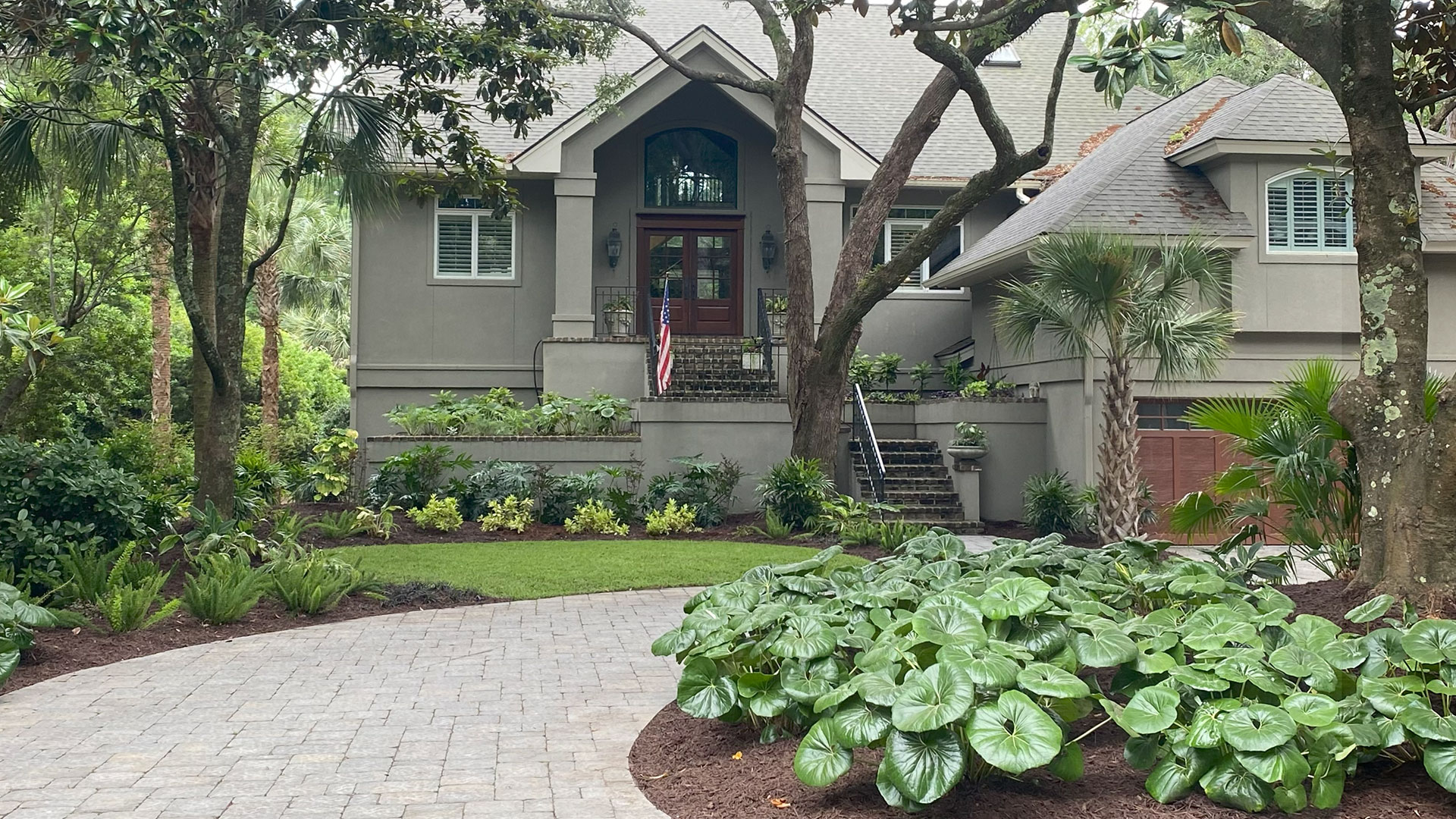
Best Native Plants for Kiawah Island Landscapes
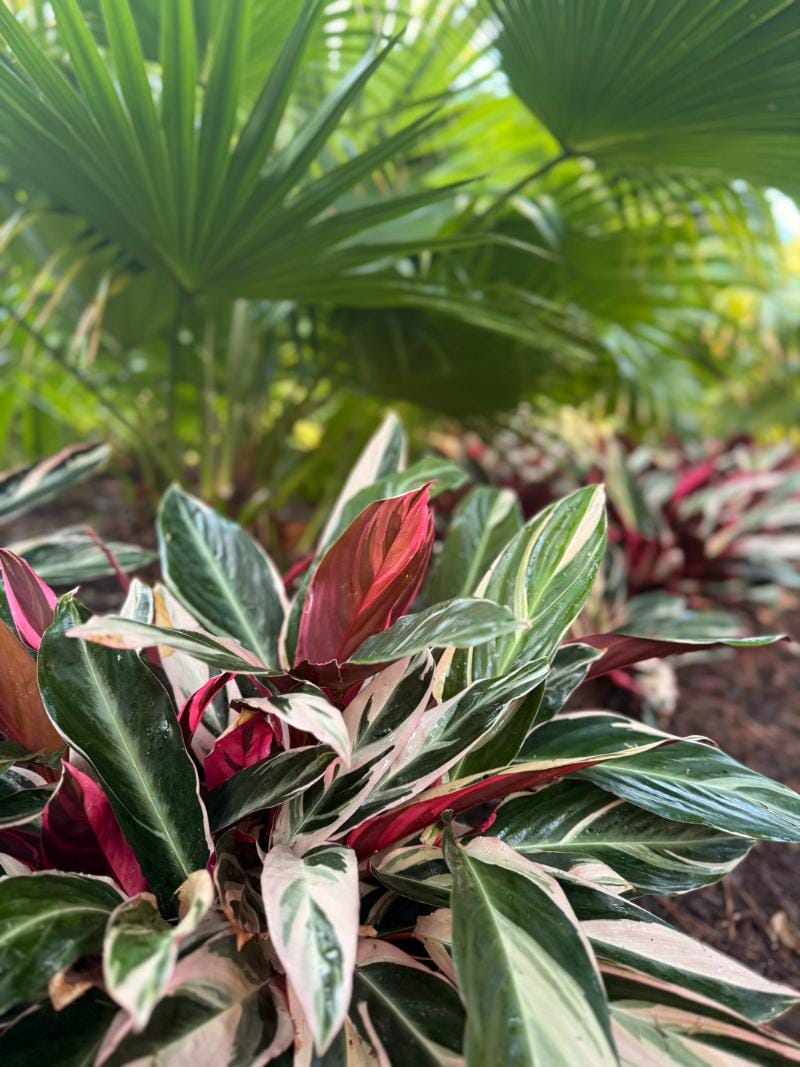
Choosing native plants in Kiawah Island, SC is the simplest way to create a landscape that looks elegant, handles salt spray, and supports local wildlife. Native trees, shrubs, palms, and grasses are adapted to our sun, sandy soils, and coastal winds. They also need less watering once established, which keeps your yard resilient during long, humid summers and the occasional stormy week.
If you want help planning a plant palette that feels at home on the island, our landscape design and build services guide every detail from concept to installation. At Stone Post Landscapes, we focus on sustainability, salt tolerance, and the health of the local ecosystem so your outdoor spaces stay beautiful and low stress.
Why Native Plants Matter On The Coast
Kiawah Island sits where sea air, sun, and shifting breezes meet live oaks and marsh. Native plants evolved under these conditions, so they hold color through heat, bend instead of break in wind, and recover faster after coastal weather. They also provide nectar, berries, and cover for pollinators and birds that define Lowcountry life.
Compared to many imports, natives typically need fewer inputs to thrive. That means less supplemental water after establishment and fewer interventions to manage pests. It also means a yard that feels natural in West Beach, East Beach, Ocean Park, and the Vanderhorst area without fighting the site.
How Salt, Wind, And Sand Shape Plant Choices
On barrier islands, salt travels inland on breezes and settles on leaves and soil. Plants with thick cuticles, flexible branching, and deep or fibrous roots handle those edges better. In open exposures near fairways or water, choose species known for aerosol salt tolerance and strong wind performance.
For deeper context on exposure, see our local note on coastal winds and salt spray. It explains why certain lots feel harsher and how layered planting helps calm gusts without forming a solid wall.
Best Native Trees For Kiawah Island Landscapes
Trees anchor the island look and create microclimates that protect your shrubs and perennials. These choices are tried and true along the South Carolina coast:
- Live oak (Quercus virginiana). Iconic canopy, excellent wind tolerance, and year‑round structure for shade and habitat.
- Southern magnolia (Magnolia grandiflora). Glossy evergreen foliage and white blooms; works best a bit inland from direct spray.
- American holly (Ilex opaca). Evergreen screening with red berries that feed birds in winter.
- Eastern red cedar, coastal form (Juniperus virginiana var. silicicola). Tough, aromatic, and reliable in sandy soils near open exposures.
- Sabal palmetto (Sabal palmetto). The state tree offers classic Lowcountry height and strong salt aerosol tolerance.
Place taller trees to the windward side where they can ease gusts and create shelter for more delicate layers. This simple arrangement improves comfort on patios and protects pool decks from grit.
Best Native Shrubs And Palms For Coastal Homes
These shrubs and small palms bring year‑round structure and color while handling island conditions:
- Yaupon holly (Ilex vomitoria). Versatile as a hedge or specimen; compact cultivars fit tight spaces by drives and walks.
- Wax myrtle (Morella cerifera). Fragrant foliage, quick growth, and strong wind performance for informal screens.
- Inkberry (Ilex glabra). Evergreen mounding form that pairs well with grasses in foundation beds.
- American beautyberry (Callicarpa americana). Summer flowers and purple fall berries that attract songbirds.
- Dwarf palmetto (Sabal minor). Shade‑tolerant, tidy fan palm for courtyards and under live oaks.
For layered privacy, combine a flexible screen such as wax myrtle with a clipped yaupon holly hedge just behind. The mix looks tailored without becoming stiff, and it slows wind before it reaches entry paths and terraces.
Best Native Grasses And Groundcovers For Color And Stability
Grasses and groundcovers add motion, seasonal interest, and soil protection. They also knit slopes and edges so mulch stays put after summer rain.
Standout picks include sweetgrass or pink muhly (Muhlenbergia capillaris) for fall plumes, switchgrass (Panicum virgatum) for vertical texture, and little bluestem (Schizachyrium scoparium) for blue‑green summer blades that turn copper in winter. For blooms, consider seaside goldenrod (Solidago sempervirens) in sunnier, drier beds where salt aerosols are common.
Group plants by sun and exposure so each bed is tuned to real conditions. That simple move improves vigor and reduces replacements over time.
Design Principles That Keep Coastal Plantings Thriving
Every island property has different wind paths, reflective heat, and soil drainage. The right plan treats those conditions as design inputs, not problems. Work with layers that echo dunes: low groundcovers and grasses at the front, a mid‑story of shrubs, and a taller canopy that filters wind without blocking views.
Materials matter too. Dense, well‑edged beds hold up around driveways and walkways. Near salt‑exposed patios, choose plant palettes that tolerate occasional mist and use planting pockets to cool pavers and guide foot traffic.
Ready to pull it together? Our landscape design and build services bring structure to plant selection, bed layout, and long‑term care so everything works as a system.
A quick local insight: After a windy, salty week, rain usually does the best cleanup. Skip fine sprays that can push more salt onto foliage. Let a fresh rainfall rinse leaves, then have a pro check the most exposed beds if they look stressed.
Neighborhood Nuances Across Kiawah Island
Exposure shifts from street to street. West Beach often gains extra shelter from live oaks, while homes along open fairways in Ocean Park can feel stronger gusts that carry more salt. East Beach edges sometimes get reflective wind around buildings, and Vanderhorst lots vary depending on marsh proximity and tree cover.
That is why plant placement, not just plant choice, matters. Tuck moderate‑tolerance species behind a screen of tougher shrubs. Use small palms like dwarf palmetto where height is limited but salt is frequent, and keep magnolias a bit inland from direct spray so leaves stay glossy.
Water And Soil Practices For Sustainable, Low‑Stress Care
Native plants still appreciate smart watering and healthy soil. Sandy soils drain fast, which helps roots breathe but can shed nutrients. Aim for deep, infrequent watering during establishment and build organic matter over time with well‑planned bed care.
Targeted irrigation tools reduce waste and protect leaves. Drip lines and bubblers place water low, which is kind to plants during breezy weeks. Paired with seasonal mulching and a healthy soil biology, your plantings will stand up to summer heat and keep color into fall.
For timing around pollen and storms, this article on seasonal bed care is helpful. It pairs nicely with a maintenance plan that supports native plant vigor without overwatering or overfertilizing.
Quick Checks Before You Finalize A Plant List
Use this short list to confirm a design that fits your lot. It is not DIY advice, just a way to evaluate options with your landscape pro.
- Choose salt‑tolerant natives for exposed edges near beaches and open fairways.
- Match sun and shade to each plant’s comfort zone, then test a few anchor choices for wind flexibility.
- Blend evergreen structure with seasonal color so your property looks composed year‑round.
- Favor layered beds that slow gusts rather than solid barriers that can trap pressure.
Eco Benefits You Can See And Feel
Native landscaping does more than look good. It supports pollinators, buffers noise with rustling grasses, and creates shade that cools hardscape and interiors. Birds find berries on yaupon holly and beautyberry, while butterflies use native grasses and perennials as part of their life cycle.
Because natives suit our climate, irrigation needs drop after establishment. That means fewer worries during busy summer weeks or when guests fill the calendar. Fewer inputs also mean healthier soil life, which pays you back with stronger roots and steadier growth.
Linking Your Vision To A Resilient Plan
If you want an overview of the local style and what thrives here, you can start at our home base by browsing native plants in Kiawah Island, SC. Then, when you are ready to shape a cohesive design, our team will help you match plant choices to sun, wind, and the character of your home.
From there, we refine the palette and arrange each layer to protect your investment. We also build in sustainable practices like soil health monitoring and right‑sized irrigation so your yard matures with less stress on you and the environment.
Bring Native Beauty Home
Elegant, low‑maintenance landscapes begin with plants that belong here. If you want your property to handle salt, wind, and summer heat while looking refined, partner with a team that designs for coastal life. Call 843-647-6068 to talk with Stone Post Landscapes or schedule a design walk. You will see how thoughtful plant selection and placement elevate your daily living outdoors.
Ready to map out a plan that fits your lot and lifestyle on Kiawah Island? Explore what is possible with our landscape design and build services and get a space that thrives in every season.